Gas Heater Service: How Often, What’s Checked and Why
Most gas heater makers recommend a service every two years. Here’s what a licensed gasfitter checks, why carbon monoxide is the real reason, and when to book.
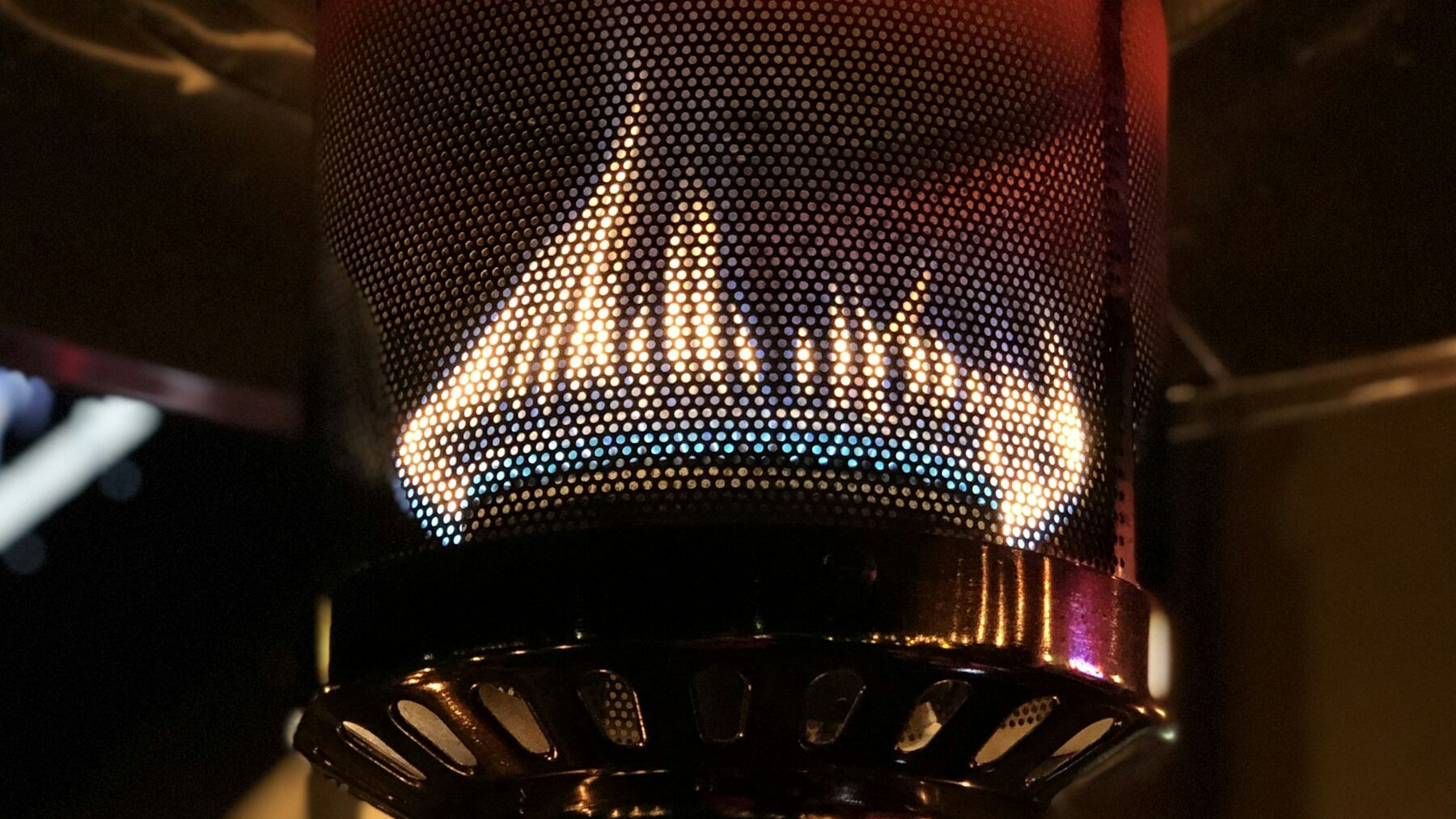
Most gas heater manufacturers recommend a gas heater service every two years, and more often if the heater is old, runs for long hours, or is unflued. The reason is carbon monoxide. A heater that looks and feels fine can still be spilling it into the room, and a service is the only way to know.
In NSW that service has to be done by a licensed gasfitter. Here’s what’s involved, what gets checked, and when to book it.
How often should a gas heater be serviced?
Every two years is the standard recommendation from the major manufacturers, and it’s printed in most owner’s manuals. Treat that as the maximum gap, not the target.
Book it more often, usually every year, if:
- the heater is an unflued type, whether portable or wall-mounted
- it’s more than about ten years old
- it runs most evenings through winter
- you have pets that shed, or the room is dusty (lint gets drawn into the burner)
- anyone in the house is elderly, very young, or has a heart or lung condition
If the heater has sat unused for a couple of winters, get it looked at before you turn it back on. Spiders, dust and birds’ nests in a flue all cause trouble on the first cold night.
Why a gas heater service matters: carbon monoxide
Gas burns cleanly when it gets the right mix of air. When it doesn’t, because the burner is dirty, the air intake is blocked, or the flue is partly obstructed, combustion is incomplete and it produces carbon monoxide (CO).
CO has no colour, no smell and no taste. You won’t notice it. Early exposure feels like a headache, nausea, tiredness or dizziness, which is easy to put down to a winter cold. That’s what makes it dangerous.
Can a gas heater give off carbon monoxide?
Yes, both kinds can.
A flued heater sends its combustion products outside through a flue. It should put nothing into the room. But a cracked heat exchanger, a blocked or disconnected flue, or a strong exhaust fan in the same room pulling air backwards (called negative pressure) can cause the products to spill back into the house instead.
An unflued heater releases its combustion products straight into the room by design. It relies on being clean, correctly adjusted and having enough fresh air. Once it drifts out of adjustment, CO goes up and there’s nowhere for it to go.
Flued vs unflued at a glance
| Flued | Unflued | |
|---|---|---|
| Where exhaust goes | Outside, through a flue | Into the room |
| Needs room ventilation | Some, for air supply | Yes, permanent ventilation is essential |
| Main CO risk | Spillage from a blocked or damaged flue, or negative pressure | Burner out of adjustment, poor ventilation |
| Suitable for bedrooms and bathrooms | Check the manual | No |
| Service interval | Two years at most | Yearly is sensible |
Unflued heaters also add moisture to the room, which is why they fog windows and can encourage mould on cold walls. If you have an older unflued unit, it’s worth asking your gasfitter whether a flued model would suit the room better.
Are gas heaters safe to use?
A correctly installed, regularly serviced gas heater is safe. The problems we find are nearly always about age, neglect or the room it’s in, rather than the heater itself.
Things that genuinely raise the risk:
- Going years without a service
- Using an unflued heater in a closed room with the vents blocked up to keep the warmth in
- Running a kitchen or bathroom exhaust fan near a flued heater
- Draping washing over or near the heater
- A heater that’s been moved and reconnected by someone unlicensed
Fit a carbon monoxide alarm in the room or hallway nearby. It isn’t a substitute for a service, but it’s a cheap second line of defence.
Warning signs to stop and switch off
- A yellow, orange or lazy flame instead of a crisp blue one
- Soot or brown staining on the heater, the wall above it, or around the flue
- A pilot light that keeps going out
- A strong or unusual smell when it’s running
- Condensation building up on windows in that room
- Headaches or drowsiness that ease once you leave the house
If you see any of these, turn the heater off, open windows, and don’t use it until it’s been checked. If you can smell gas, go straight to what to do if you smell gas: turn it off at the meter if you can do so safely, get everyone outside, and call from there. If anyone is unwell, call 000.
What does a gas heater service include?
A proper gas heater service is more than a vacuum and a wipe-down. A licensed gasfitter should work through:
- Burner and pilot: removed or cleaned, checked for corrosion, and the flame picture checked against the manufacturer’s specification.
- Gas pressure: tested at the appliance and adjusted to the setting on the data plate. Wrong pressure is one of the most common causes of poor combustion.
- Thermocouple or flame safety device: tested to confirm it shuts the gas off if the flame goes out.
- Ignition: piezo or electronic ignition checked for reliable lighting.
- Flue: checked for blockages, corrosion, loose joints and correct termination outside.
- CO spillage test: on a flued heater, a test under worst-case conditions (doors shut, exhaust fans on) to confirm products aren’t spilling into the room.
- Combustion analysis: on unflued heaters, a CO reading at the appliance to confirm it’s within the manufacturer’s limits.
- Bayonet fitting and hose: checked for leaks, wear and a proper seal. Old hoses harden and crack.
- Fan, filters and controls: lint cleared, fan checked, thermostat and safety cut-outs tested.
- Ventilation: room vents checked for size and that they haven’t been covered.
If a part is worn, you should be told what it is, why it matters, and the fixed price to replace it before anything is done. If a heater can’t be made safe, a gasfitter is required to isolate it and tell you why.
If your heater plugs into a wall or floor bayonet that’s damaged or in an awkward spot, our guide to gas bayonet installation covers what’s involved in moving or adding one.
Can I service my own gas heater?
No. In NSW, gas work on an appliance has to be done by a licensed gasfitter, and that includes adjusting burners, pressures and safety devices. It isn’t a box-ticking rule: an incorrect adjustment is exactly what produces carbon monoxide.
What you can safely do yourself
- Vacuum the outside grilles and filters with the heater off and cold
- Keep the area around it clear of furniture, curtains and washing
- Check the flue terminal outside isn’t blocked by plants, leaves or a new pergola
- Look at the flame colour each time you turn it on
- Keep room vents open and uncovered
- Test your CO alarm
What needs a licensed gasfitter
- Anything behind the front panel
- Relighting a pilot that won’t stay lit (usually a thermocouple fault)
- Gas pressure, burner or flame adjustment
- Flue repairs or replacement
- Replacing a bayonet or hose
- Moving or reconnecting a heater
When to book: autumn, not June
Every year the same thing happens across the Hills District. The first properly cold week arrives in late May or June, everyone turns on their heaters at once, and a few of them don’t light or start smelling odd. Gasfitters are booked out and you wait.
Book your gas heater service in March or April instead. You’ll get a time that suits you, any parts can be ordered without you going cold, and the heater is ready before you need it.
Older homes in Castle Hill, Baulkham Hills and Pennant Hills often have a wall furnace or a flued heater that has been in since the house was built. Those are exactly the units that most need a regular check. On the Upper North Shore, heavy tree cover means leaves and nests in flue terminals are a common find.
Book a gas heater service with Precision Pipes
We’re licensed gasfitters working across the Hills District, Hornsby Shire and the Upper North Shore. Every heater service includes a CO spillage test, and if we find a problem we’ll tell you what it is and give you a fixed price before any work starts. No call-out fee, and the quote doesn’t move. Have a look at our licensed gas fitting services for heaters, cooktops and leak detection, or see how we price our work.
Frequently asked questions
Most manufacturers recommend a service at least every two years. Yearly is sensible for unflued heaters, heaters over about ten years old, and any heater that runs most evenings through winter.
Yes. Incomplete combustion from a dirty burner, wrong gas pressure, poor ventilation or a blocked flue produces carbon monoxide, which has no colour or smell. A service with a CO test is how you find it.
No. In NSW, gas appliance work must be done by a licensed gasfitter. You can keep grilles clean, keep vents clear and watch the flame colour, but anything behind the panel is licensed work.
A yellow or orange flame usually means incomplete combustion, which produces carbon monoxide. Turn the heater off, ventilate the room, and have a licensed gasfitter check it before using it again.
Need gas fitting sorted?
We’re licensed local plumbers covering the Hills District, Hornsby Shire and the Upper North Shore. No call-out fee, fixed price before we start, lifetime labour warranty.
About the author
Precision Pipes · Licensed Plumber & Gas Fitter
Precision Pipes has been providing plumbing and gasfitting services across the Hills District, Hornsby Shire and the Upper North Shore for 16 years. Fully licensed, fully insured, and backed by a lifetime labour warranty.