How to Clean a Shower Drain (and Stop It Blocking Again)
Water pooling around your feet is almost always hair and soap scum in the shower waste. Here’s how to clean it out properly, and when the problem is further down the line.
Last updated 26 October 2026
If your shower is draining slowly, the cause is almost always the same: hair, bound together with soap scum, caught just below the grate. Lift the grate, pull the clump out with a gloved hand or a plastic drain claw, and flush the line with hot tap water. That clears most shower drains in about ten minutes.
That’s the short answer to how to clean a shower drain. The longer answer covers why it smells, what not to pour down it, and how to tell when a slow shower is telling you something about the pipes under the house.
Why shower drains block
A shower waste deals with a steady diet of hair, soap, shampoo, conditioner and skin oils. Individually none of that is a problem. Together they make a felt-like mat.
Hair catches on the grate, the edge of the outlet and any rough spot in the pipe. Soap scum coats it and glues the next lot of hair on. Conditioner and body oils make it all stickier. Within a few months you have a plug sitting in the vertical section just below the grate or in the trap beneath it.
The trap is the U-shaped bend under the floor that holds a small amount of water. That water seal is what stops sewer gas coming up into the bathroom. It’s also where anything heavy settles.
How to clean a shower drain, step by step
You don’t need much: rubber gloves, a screwdriver, a plastic drain claw from the hardware store, an old toothbrush, and a torch.
1. Take the grate off
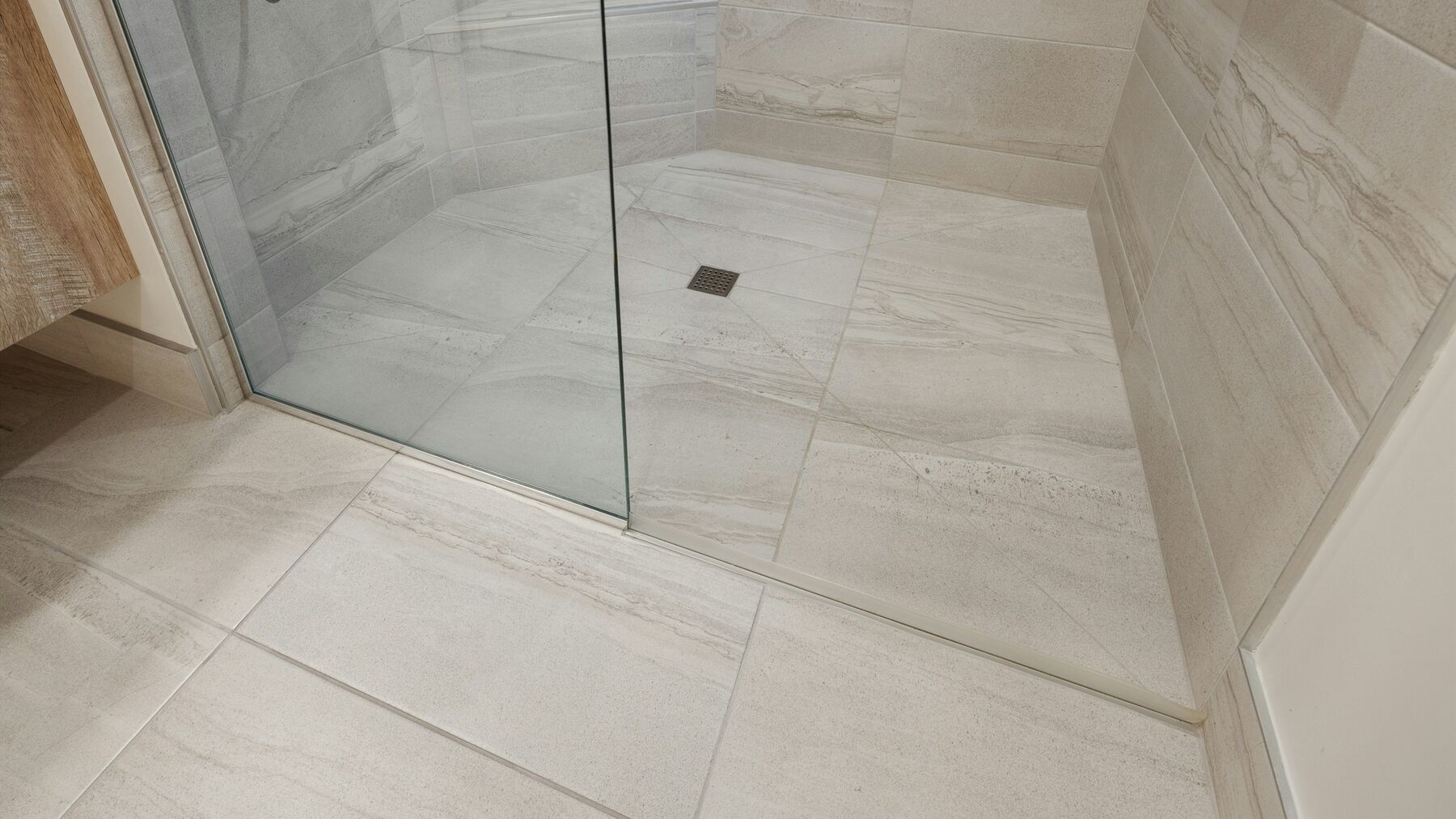
Most square floor grates either lift straight out or are held by one or two small screws. Linear (strip) drains, common in newer homes around Kellyville and Rouse Hill, usually have a removable cover and often a hair-catcher insert underneath. Lift it out gently. Some are tiled-in and only lift at one end.
If the grate is seized with soap scum, run a flat screwdriver around the edge rather than levering hard. Cracking a tile to get at a grate is a poor trade.
2. Pull out the hair
Shine the torch down. You’ll usually see the clump sitting a few centimetres down. Pull out what you can reach with gloved fingers.
Then feed the drain claw in, twist it, and draw it back slowly. The barbs grab the hair that’s further down. Expect it to come up looking unpleasant. Repeat until it comes out clean.
A plastic claw is the right tool here because it’s flexible and can’t scratch the pipe or the outlet. Avoid straightening out a wire coat hanger; it tends to push the clump further down and can scratch or puncture older fittings.
3. Scrub the grate and the outlet
Soap scum builds up on the underside of the grate and around the rim of the outlet. Scrub both with an old toothbrush and a bit of dish soap or a mild bathroom cleaner. This is also where most shower drain smell starts, so don’t skip it.
4. Flush it through
Run the shower on hot for a couple of minutes, or pour a few litres of very hot tap water down slowly. Most homes have PVC waste pipes, and repeated boiling water can soften and distort the joints, so hot from the tap is enough.
Watch how fast it drains. If it goes down freely, put the grate back and you’re done.
Does baking soda and vinegar clear a shower drain?
On a fully blocked shower drain, no. The fizz has no chance against a solid mat of hair.
It’s worth doing once you’ve cleaned the shower drain and pulled the hair out, and as a monthly habit after that. Half a cup of bicarb, a cup of white vinegar, cover the outlet for fifteen minutes, then flush with hot water. It lifts soap film off the pipe wall and freshens the trap, and it won’t harm your pipes.
Why we’d rather you left the caustic cleaner on the shelf
Caustic and acid drain cleaners are sold as the answer to a blocked shower drain. For a plumber, they’re usually part of the problem.
- They rarely dissolve a hair clog. They burn a small channel through it, the water drains for a week, and the rest of the mat stays put.
- They attack chrome and plated grates, rubber seals and older pipework. Repeated doses can damage PVC joints and the waterproofing seal around the outlet.
- Whatever doesn’t drain away sits in the trap, which makes it hazardous for the next person who puts a claw or a hand down there.
If a drain claw hasn’t reached it, the blockage is further along than any chemical is going to reach anyway.
How do I clean a smelly shower drain?
A shower drain smell usually comes from one of three things, and the fix depends on which.
| Cause | What you’ll notice | What to do |
|---|---|---|
| Soap and hair build-up | Musty, stale smell, worse after a shower | Clean the grate and outlet as above, then do a bicarb and vinegar flush |
| Dry trap | Sewer smell in a shower that’s rarely used | Run the shower for a minute to refill the water seal |
| Cracked pipe or failed seal | Sewer smell that comes back straight after cleaning | Needs a plumber to find where gas is escaping |
The dry trap is common in guest bathrooms and granny flats. The water in the trap evaporates over a few weeks and nothing is left to block the gas. Running each shower once a week or so stops it.
If the smell is strong, or it’s in more than one room, have a look at our guide to a sewage smell in the house.
Why does my shower drain keep blocking?
If you clean it and it’s slow again within a few weeks, one of these is usually behind it:
- Long hair in the household and no hair catcher. A simple stainless or silicone catcher over the outlet stops most of it before it starts.
- Heavy conditioner or oil-based body products, which coat the pipe and trap hair faster.
- A poor fall in the waste pipe, so water sits rather than runs away. We see this after renovations where the floor level changed.
- A problem further down the line. The shower is often one of the lowest fixtures in the house, so a partial blockage in the main sewer shows up there first.
When a slow shower drain is a plumbing problem
This is the point where cleaning stops helping. Call a plumber if:
- The shower is still slow after you’ve cleared the hair and the grate is clean
- The toilet gurgles or the shower water level rises when someone flushes or runs the washing machine
- Water comes up through the shower drain or a floor waste
- There’s a sewage smell outside near the overflow gully or inspection opening
- It keeps blocking even with a hair catcher in place
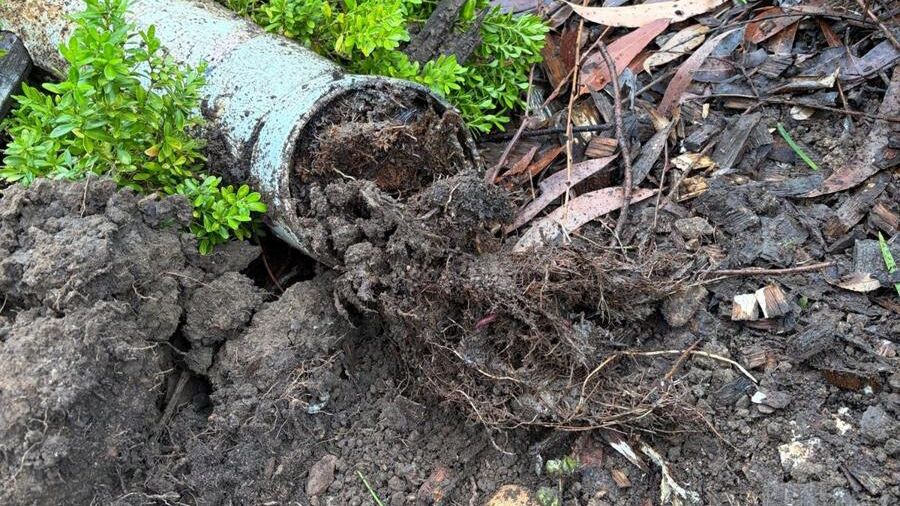
Two or more fixtures playing up together means the blockage is in the shared line, not the shower waste. In the older parts of Castle Hill, Baulkham Hills and Carlingford that often means tree roots in clay or earthenware sewer joints. Our blocked drain or toilet help page walks you through what to do while you wait.
If the drain runs fine but you’re seeing damp, lifting tiles or a musty smell in the next room, the problem may be water escaping rather than a blockage. Our post on signs of a leaking shower covers that.
What you can safely do yourself, and what needs a plumber
You can safely:
- Remove and clean the grate and any hair catcher
- Pull hair out with gloved hands or a plastic drain claw
- Flush the line with hot tap water
- Do a monthly bicarb and vinegar flush
- Run rarely used showers to keep the trap full
Leave to a licensed plumber:
- Any blockage a drain claw can’t reach
- Anything that means cutting into the floor, the trap or the waterproofing
- Recurring blockages, gurgling or water rising in other fixtures
- A sewage smell that cleaning doesn’t fix
Hiring a drain machine and feeding it into a shower waste is where DIY tends to go wrong. The bends are tight, and a cable can damage the trap or the seal under the tiles, which turns a blockage into a leak.
When you’d like it looked at properly
If you’ve cleaned the shower drain as above and it’s still slow, or the blockage keeps coming back, we can find out why. We’ll clear the line and, where it’s needed, put a camera down it so you can see the cause for yourself before any other work is quoted.
We work across the Hills District, Hornsby Shire and the Upper North Shore, with no call-out fee and a fixed price agreed before we start. See our blocked drain clearing service for how we approach it, or read how we price the job.
Frequently asked questions
Take the grate off, pull out the hair with gloved fingers, then use a plastic drain claw to reach further down. Scrub the grate and flush with hot tap water. That clears the large majority of blocked shower drains without any chemicals.
Not a full blockage. It can’t break down a mat of hair. It’s useful after you’ve removed the hair, or as a monthly flush to lift soap film and keep the trap fresh.
Most often the trap has dried out because the shower isn’t used much, letting sewer gas through. Run the shower for a minute to refill it. If the smell comes straight back, a pipe or seal may be cracked and it needs a plumber.
When it’s still slow after the hair is out, when other fixtures gurgle or rise as it drains, or when it re-blocks within weeks. Those point to a blockage or fault further down the line, which needs a plumber and often a camera inspection.
Need blocked drains sorted?
We’re licensed local plumbers covering the Hills District, Hornsby Shire and the Upper North Shore. No call-out fee, fixed price before we start, lifetime labour warranty.
About the author
Precision Pipes · Licensed Plumber & Gas Fitter
Precision Pipes has been providing plumbing and gasfitting services across the Hills District, Hornsby Shire and the Upper North Shore for 16 years. Fully licensed, fully insured, and backed by a lifetime labour warranty.