Tree Root Drain Repair in Cherrybrook: A Dig-Up Job
A Cherrybrook drain kept blocking. The camera found a 30mm hole with roots growing through the whole line. Here’s how we dug it up and fixed it for good.
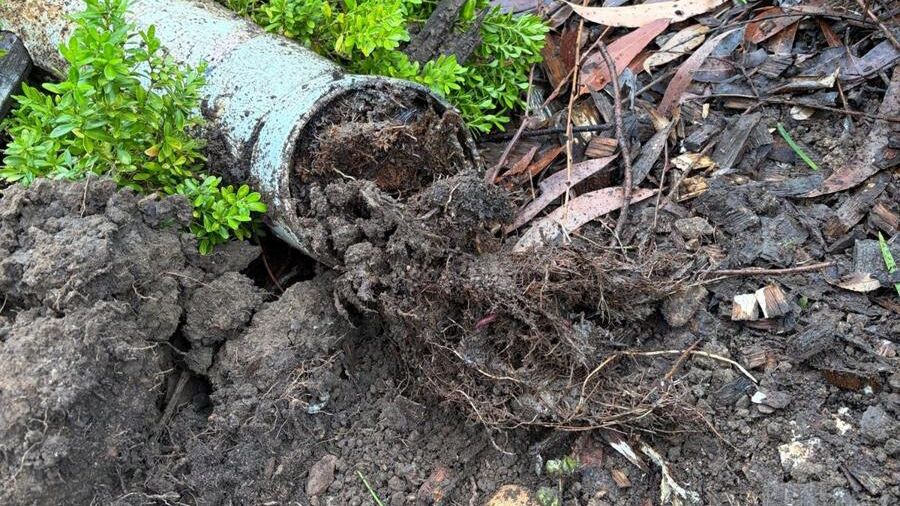
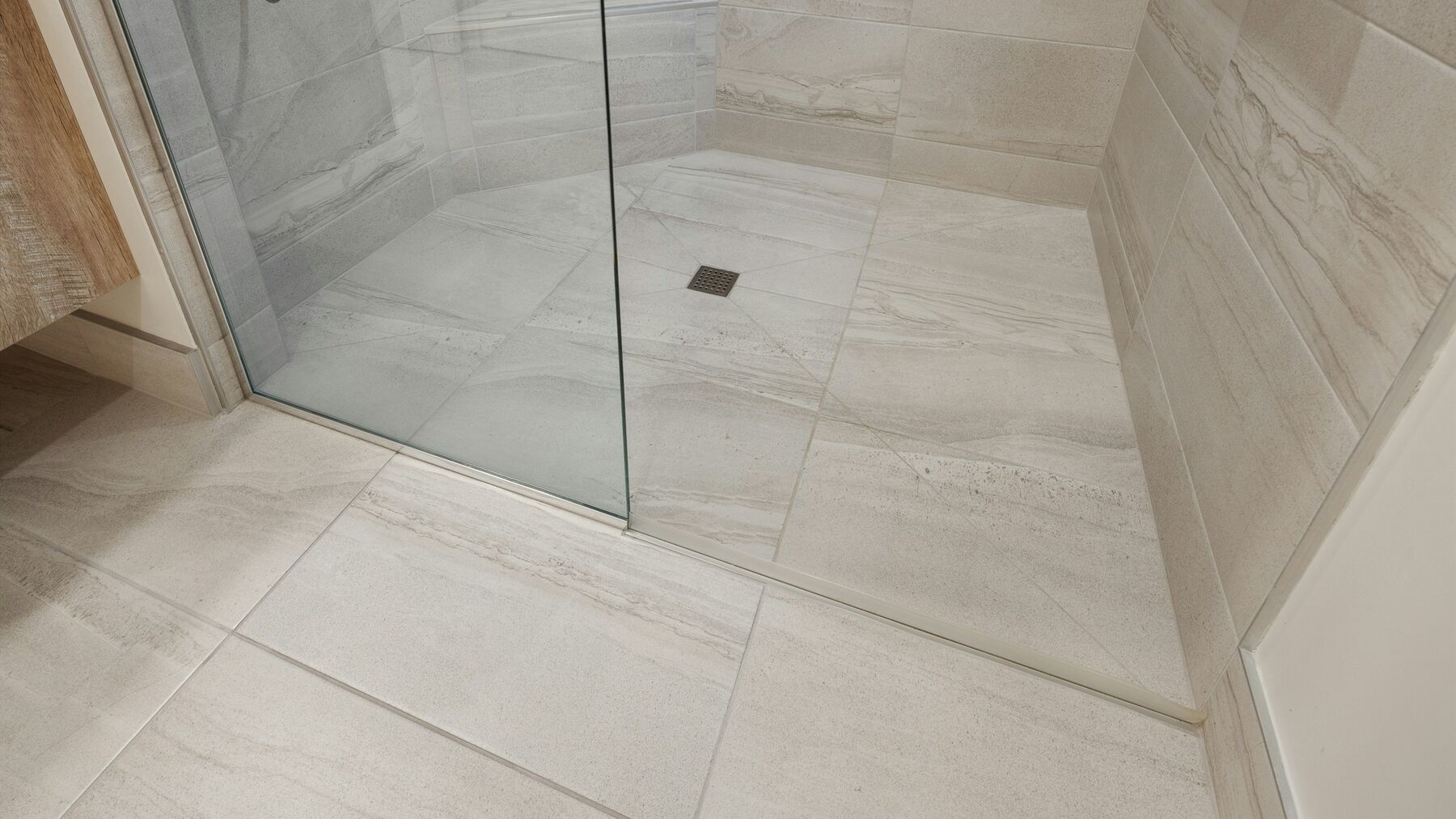
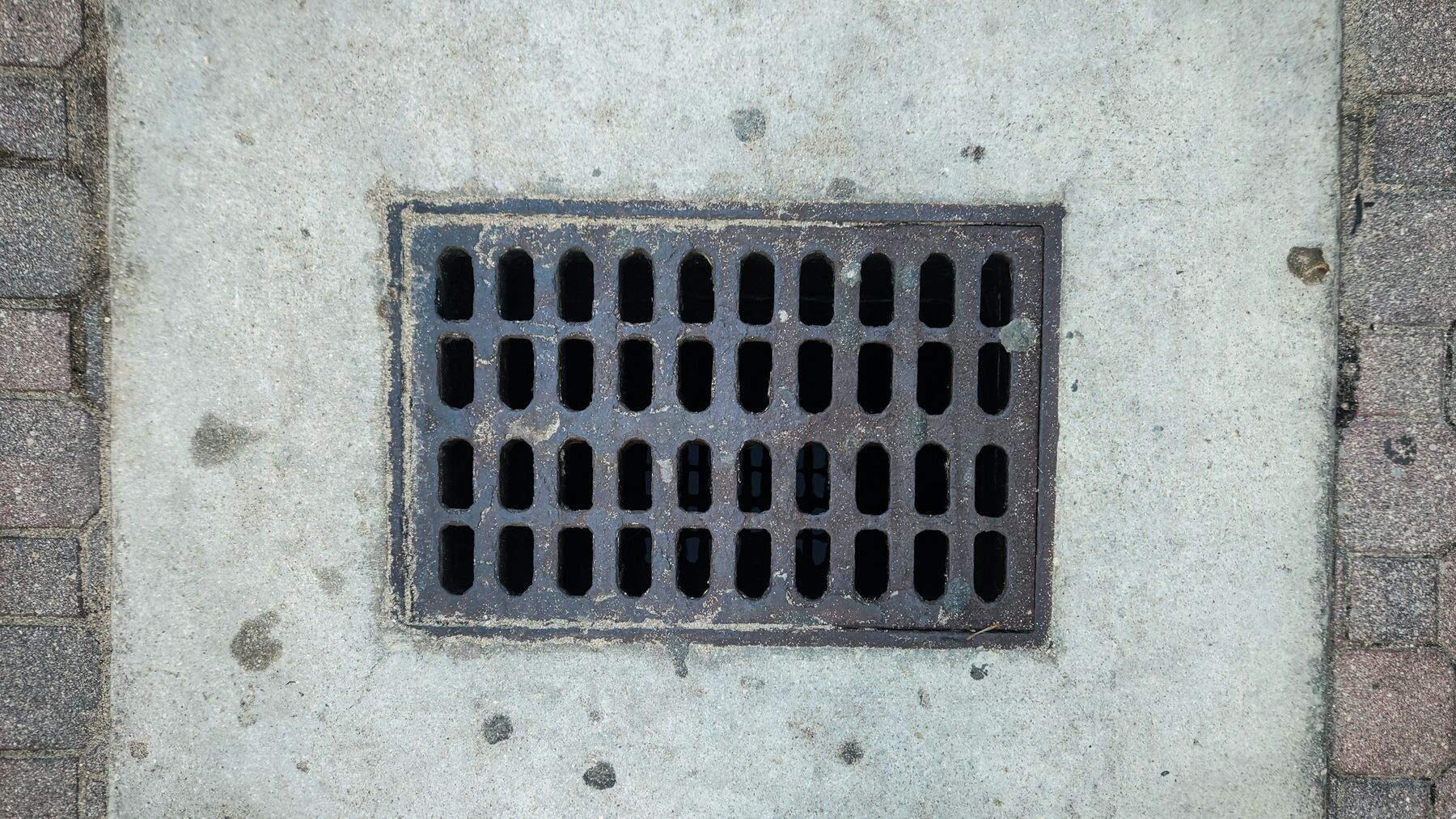
A blocked bathroom drain in Cherrybrook turned out to be a broken pipe underground, with tree roots growing right through the drainage line. Clearing the roots would have had the water running again by lunchtime. It also would have left the hole they came in through, so the drain would have blocked again.
This is what the job looked like from start to finish, and why tree root drain repair means fixing the pipe, not just the blockage.
The call: a bathroom drain that wouldn’t clear
The homeowner called about a blocked bathroom drain. On a lot of Cherrybrook properties, that’s the first sign of something further down the line. The suburb was mostly built through the 1980s on big blocks with plenty of planting, and forty years on those trees have roots in every direction. Root intrusion is the most common reason we’re called out in Cherrybrook.
Ryan, our plumber on the job, didn’t start by guessing. He started with the camera.
What the camera found
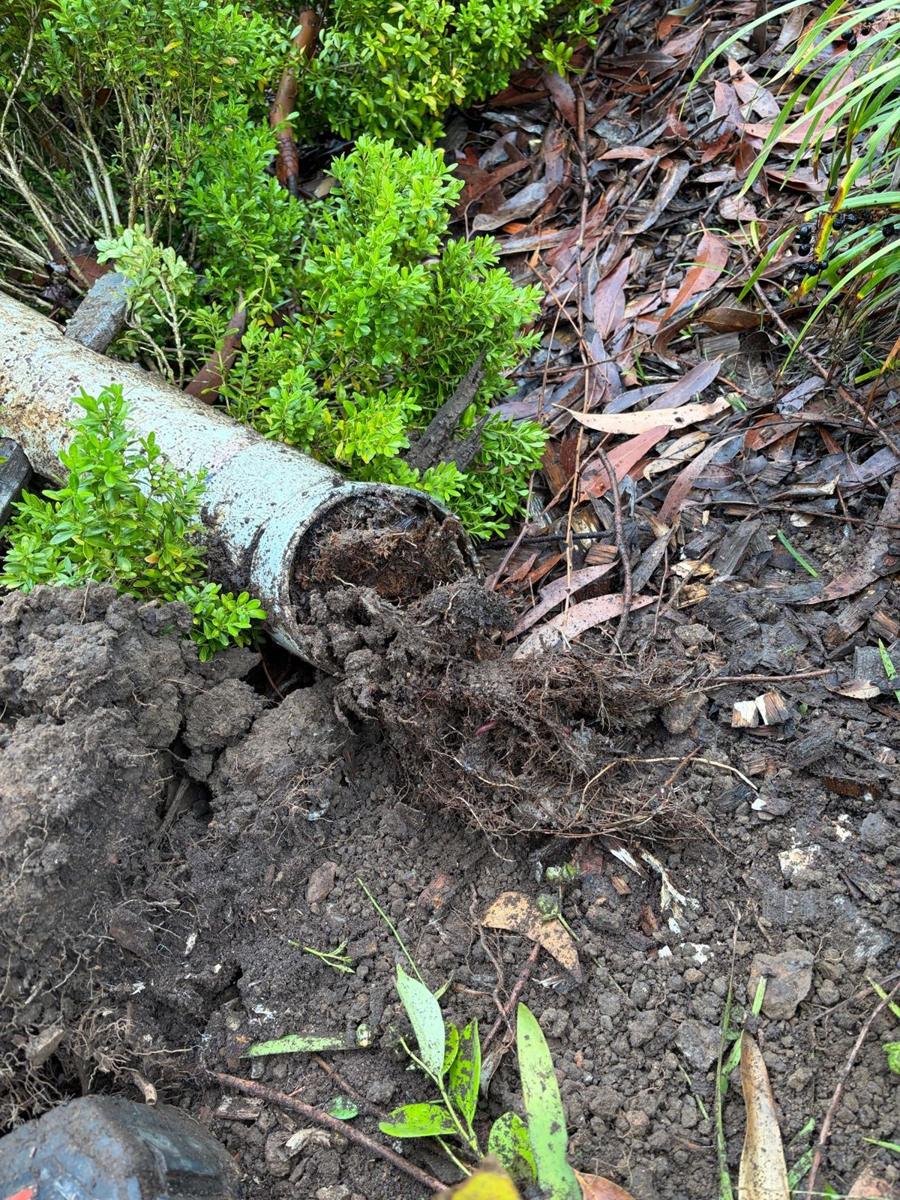
We ran our CCTV drain camera down the line to see what was actually causing the blockage. It showed an opening of roughly 30mm in the underground pipe, and roots that had come in through it and spread a long way through the drainage system.
That’s the part that matters. A root blockage is a symptom. The opening is the cause. Roots go looking for water, and a broken pipe carrying waste water is exactly what they’re after. Once a root hair finds a gap, it thickens inside the pipe and forms a mat that catches everything that goes down the drain.
If you want to know what the footage looks like and how it’s read, our post on CCTV drain inspections walks through it.
Why clearing the roots wasn’t enough
The usual first fix for a root blockage is to cut the roots out with a jetter or a cutter. That gets the drain flowing on the day, and on a sound pipe with a small root at a joint it can buy a fair bit of time.
On this pipe it would have been wasted money. A 30mm opening is not a hairline gap at a joint. The pipe was broken, and the roots would have been straight back in through the same hole, usually thicker than before. The owner would have been calling us again within months for the same drain.
So the job was to fix the pipe itself.
How we fixed it
Because the camera had already pinpointed the damaged section, there was no guesswork about where to dig. We opened up only the ground we needed to.
- Located the damage. The camera gave us the exact position of the broken section before a shovel went in.
- Excavated and removed the damaged pipe. We dug down to the line and cut out the root-filled section, roots and all.
- Installed new PVC drainage pipe. New pipework went in, joined back onto the existing line with proper fittings.
- Bedded and backfilled with gravel. Gravel around the new pipe supports it and keeps it from shifting as the soil settles.
- Protected the repair with concrete. A concrete cap over the repaired section protects the pipe from roots and from damage from above.
- Reinstated the garden. Soil back in, mulch back down, plants left where they were.
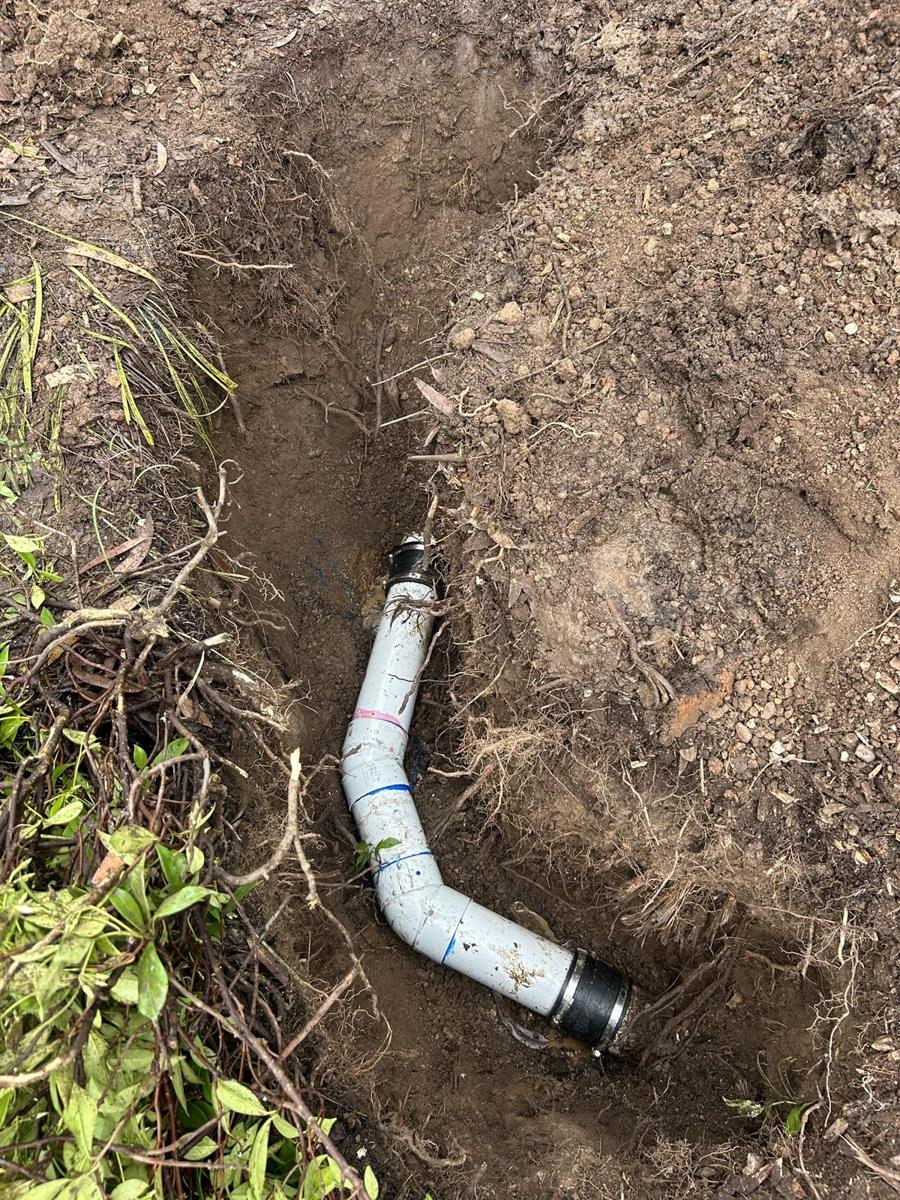
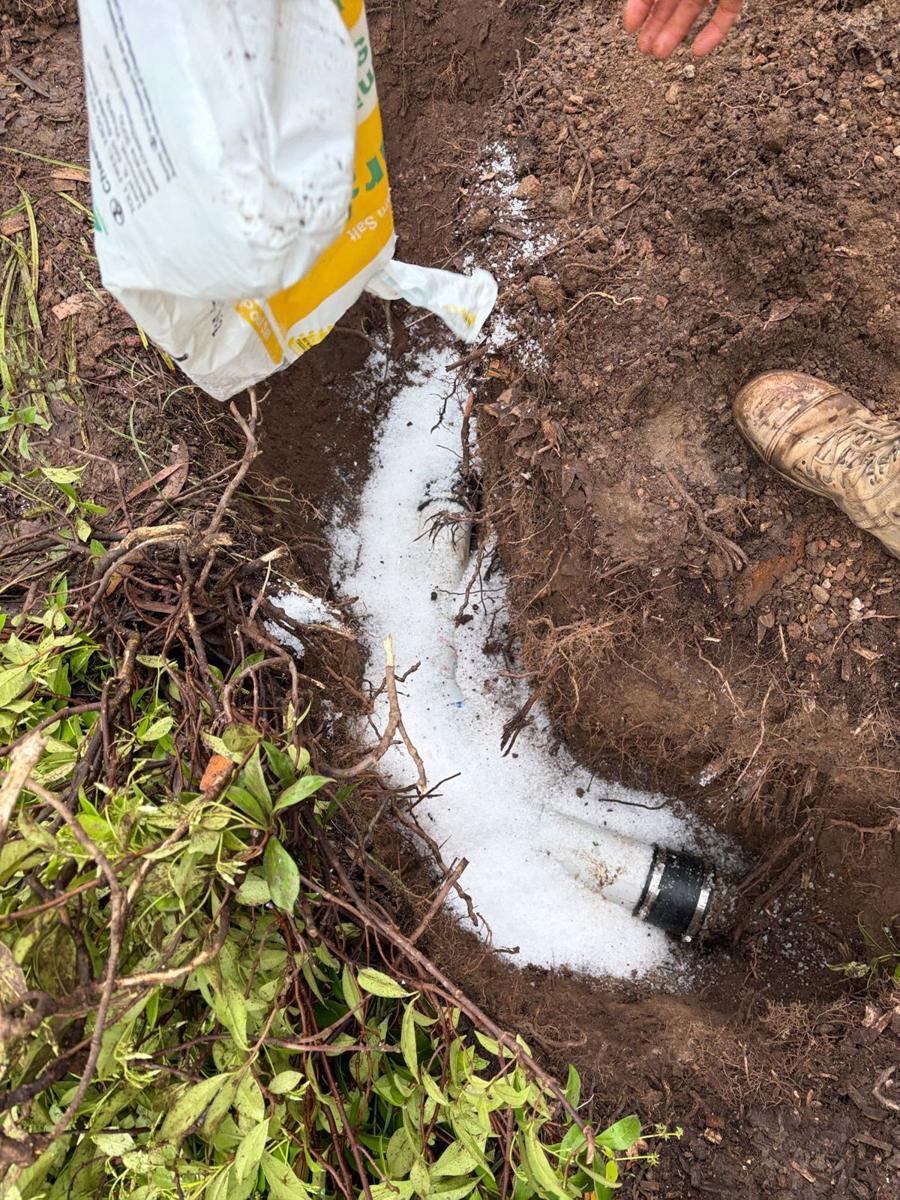
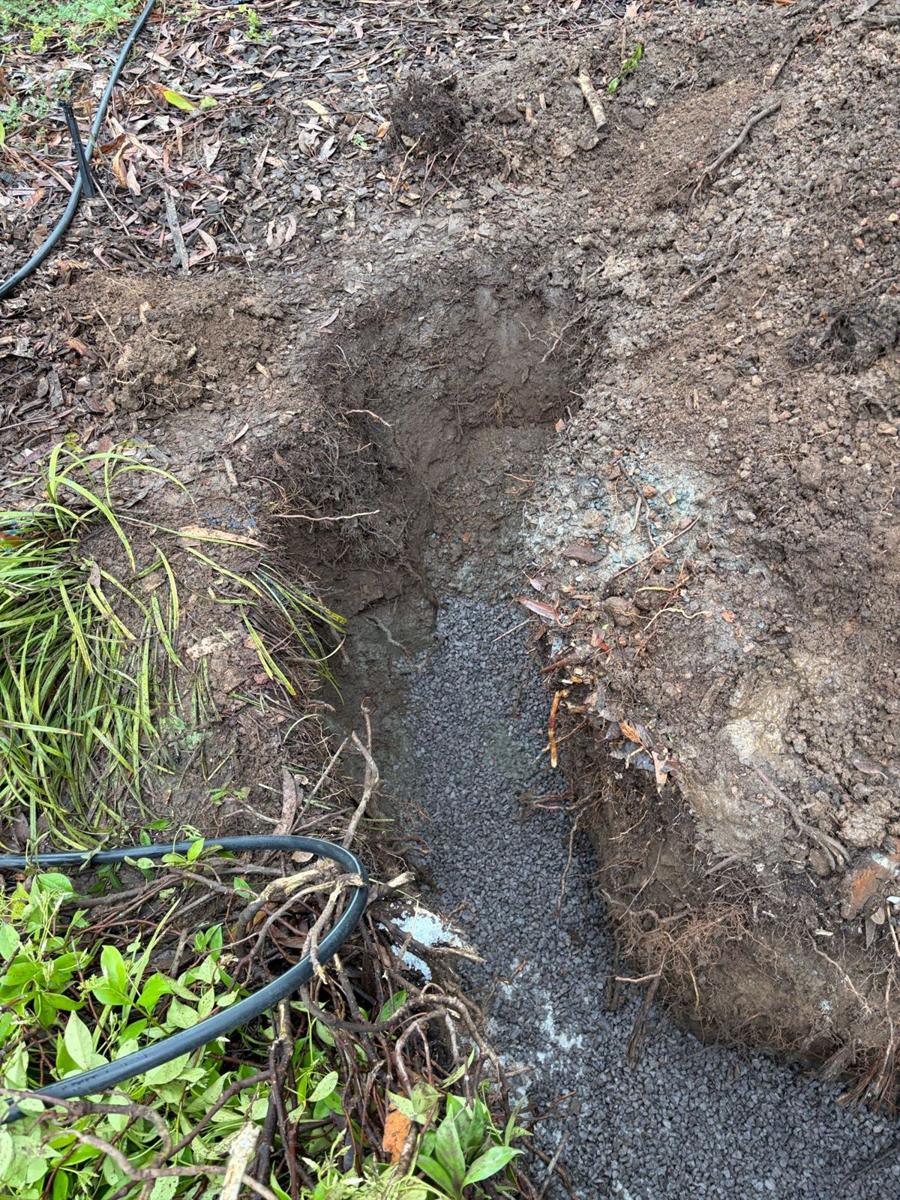
Leaving the yard the way we found it
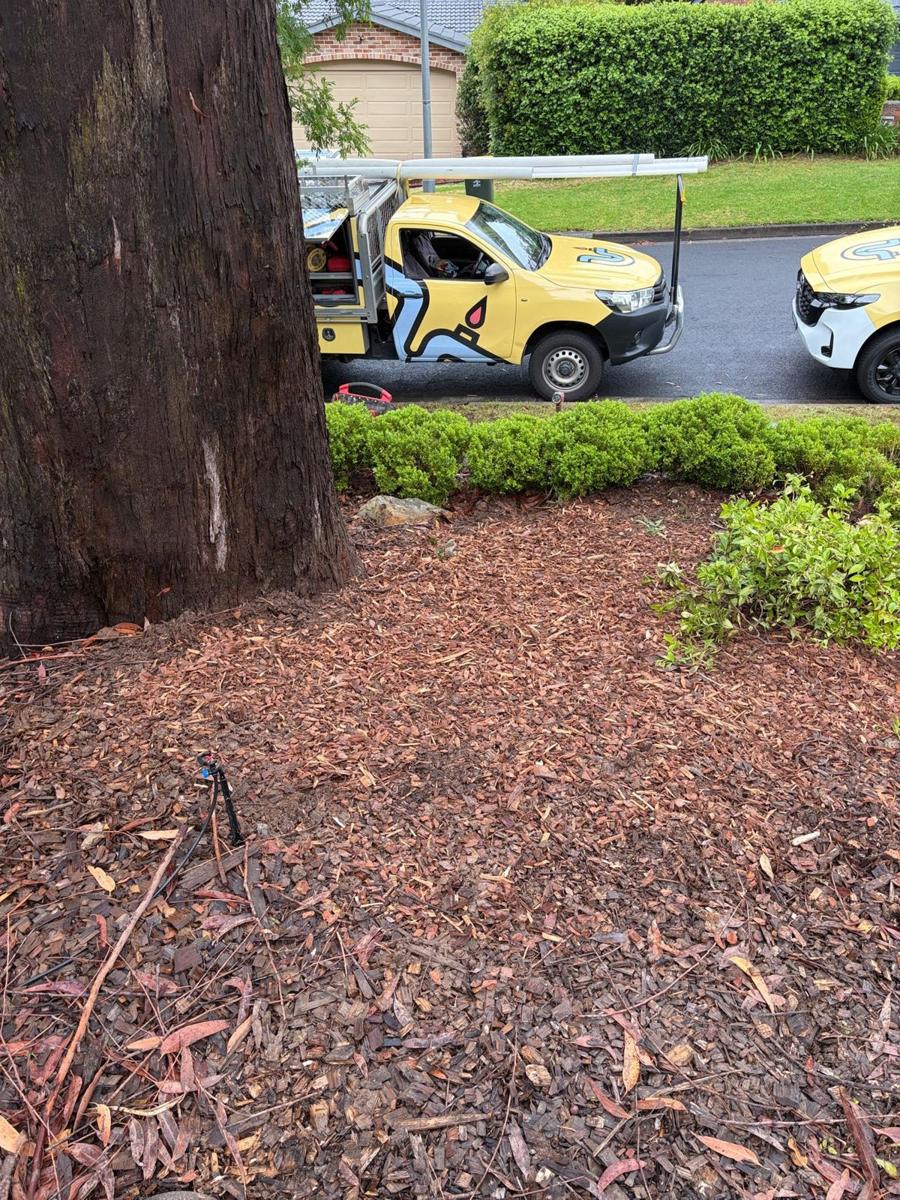
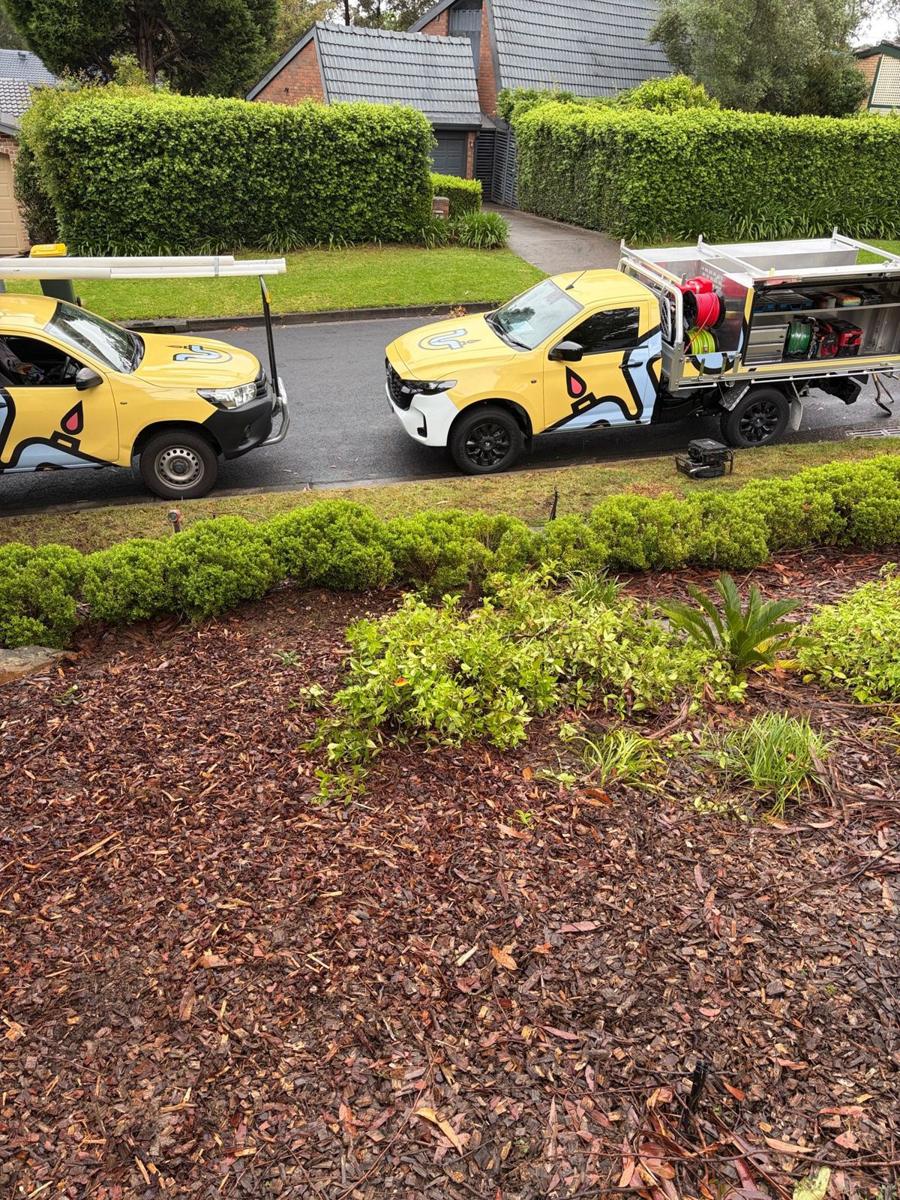
A dig-up in someone’s garden is still their garden. The damaged section ran under a planted bed, so once the repair was protected we put the soil back, raked the mulch out and cleaned up. Apart from fresh mulch, you’d struggle to tell where the trench was.
Dig it up, or reline it?
Not every root problem needs a trench. Pipe relining puts a new pipe inside the old one from an existing access point, and it’s often the better choice under driveways, paving, protected trees or sandstone, where digging is slow or not allowed.
Excavating and replacing makes sense when the damaged section is accessible, the pipe is broken rather than just leaking at the joints, or the line needs to change shape or fall. Under a garden bed with clear access to the damaged section, as here, digging it up and putting in new pipe is a clean, permanent fix.
The camera is what decides it. We show you the footage, explain what we’ve found, and tell you which repair your drain actually needs before any work starts.
Signs your drain has the same problem
Root-damaged pipes rarely block overnight. Watch for:
- More than one drain in the house running slower than it used to
- Gurgling from the toilet or shower when other water is running
- The overflow relief gully outside bubbling or overflowing
- A drain that gets cleared, then blocks again a few months later
- Wet, smelly or unusually green patches of lawn along the line of the sewer
The repeat blockage is the big one. If the same drain keeps coming back, something is letting roots in. Our guide to tree roots in pipes covers the signs and options in more detail.
What the customer said
“Ryan did a great job fixing the blocked bathroom drain. He was friendly, professional and got the job done quickly. Really happy with his service. Highly recommend!”
— Cherrybrook homeowner, Google review
Got a drain that keeps blocking in Cherrybrook?
We’re a local, family-owned plumbing business based in Castle Hill, about twelve minutes from Cherrybrook. If you’ve got a drain that keeps blocking, we’ll camera it, show you exactly what’s going on and fix the cause. See our blocked drains page, or get in touch and we’ll take a look.
Frequently asked questions
We ran a CCTV camera through the line before doing anything else. It showed an opening of roughly 30mm in the underground pipe, with roots coming through it and spreading along the drain. Without the camera we would only have been guessing.
Cutting the roots clears the blockage but leaves the hole they came through. With a 30mm opening, the roots would have grown straight back in, usually thicker than before. Replacing the damaged section fixes the cause.
Not if it’s done properly. The camera tells us exactly where to dig, so we only open the ground we need. Once the repair is done we backfill, put the soil and mulch back and clean up before we leave.
Relining usually wins when the damaged pipe is under a driveway, paving, a building, a protected tree or rock. Digging up and replacing makes sense when the damaged section is accessible and the pipe is broken rather than just leaking at the joints. We show you the camera footage and recommend one or the other.
Yes. We’re based in Castle Hill, about twelve minutes away, and root-damaged drains are the most common job we do in Cherrybrook. We camera the line, show you what we find and fix the cause.
Need blocked drains sorted?
We’re licensed local plumbers covering the Hills District, Hornsby Shire and the Upper North Shore. No call-out fee, fixed price before we start, lifetime labour warranty.
About the author
Precision Pipes · Licensed Plumber & Gas Fitter
Precision Pipes has been providing plumbing and gasfitting services across the Hills District, Hornsby Shire and the Upper North Shore for 16 years. Fully licensed, fully insured, and backed by a lifetime labour warranty.